

Arabica coffee and its characteristics
Arabica coffee is renowned for its delicate, nuanced aroma profile, which sets it apart from other types of coffee. The aroma of Arabica coffee is often described as smooth and mellow, with sweet, fruity and berry notes. It is less acidic than its robusta counterpart. It offers a complex aromatic profile, with notes of chocolate, nuts and even a floral nuance. These characteristics contribute to its popularity with coffee lovers who appreciate a more refined and complex taste experience. Its low caffeine content, between 1.2% and 1.5%, further enhances the sweetness and subtlety of its aroma. Arabica is the preferred choice for lovers of a milder infusion.
Arabica coffee growing
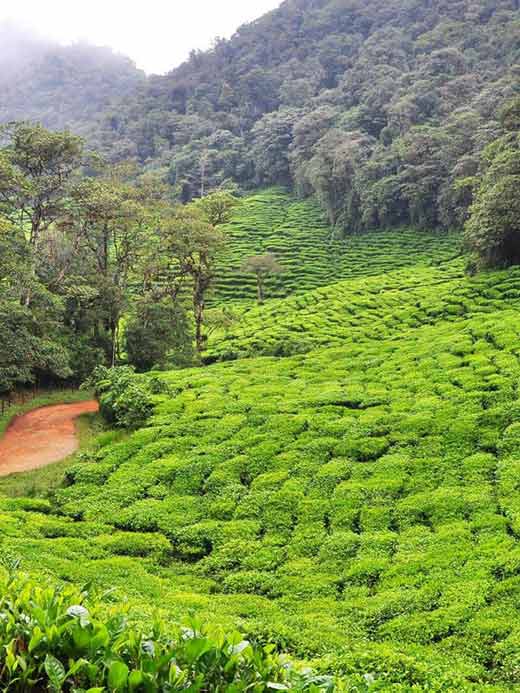
Growing Arabica coffee requires specific environmental conditions that contribute to its unique taste characteristics. Native to the highlands of Ethiopia, Arabica coffee trees thrive at altitudes of between 600 and 2,000 meters. These higher altitudes, combined with cool temperatures and abundant rainfall, create an ideal environment for the beans to develop their distinctive aromas. Arabica is sensitive to harsh weather conditions and disease. This requires rigorous management and maintenance on the part of coffee growers. Optimal growing conditions also include fertile, well-drained soil. This soil is often found in regions where there is a balance between sun and shade. Consequently, Arabica coffee is mainly grown in countries along the equatorial belt, where these conditions are naturally present.
The different types of Arabica
Arabica coffee is not a monolithic category; it comprises several common varieties, each with its own characteristics. Among the best-known Arabica varieties are Bourbon, Typica and Geisha. Bourbon is renowned for its rich, buttery flavor and balanced acidity. It is often enhanced by notes of caramel and toffee. Typica, on the other hand, offers a more traditional taste, with a clean, sweet profile. It is renowned for its clarity and liveliness in the cup. Geisha, from Ethiopia, is prized for its floral, jasmine aroma, accompanied by lively acidity and fruity flavors, making it a favorite of specialty coffee lovers. These varieties demonstrate the diversity of Arabica coffee, highlighting how different cultivation techniques and growing conditions can lead to a wide range of taste profiles.
Robusta coffee and its distinctive characteristics
Robusta coffee is renowned for its powerful aroma and much higher caffeine content than other coffee varieties. Derived from Coffea Canephora, this variety contains between 1.7 and 3.5% caffeine. It is therefore twice as concentrated as its Arabica counterpart. This high level of caffeine contributes to its strong, bitter taste, often described as acidic and grainy, with nuances reminiscent of rubber. These unique aromatic profiles make Robusta coffee particularly appealing to those seeking a more intense, full-bodied coffee experience.
Growing robusta coffee
Growing robusta coffee offers a number of advantages, particularly in terms of disease resistance. Unlike Arabica, Robusta coffee plants are highly resistant to pests and various diseases. This makes them easy to grow in a variety of environments. This inherent robustness enables them to thrive at low altitudes and withstand warmer temperatures. What's more, robusta coffee trees can reach heights of up to 10 meters, a feature that helps them cope with environmental challenges. These qualities make robusta a preferred choice for high-yield, low-maintenance coffee growers.
How is robusta used?
Robusta coffee is widely used in the coffee industry due to its unique characteristics and market trends. Its pronounced aromatic profile makes it an essential ingredient in espresso blends. Robusta offers the crema so appreciated by coffee lovers. What's more, the high caffeine content and low cost of robusta beans contribute to their popularity. The market's growing appreciation of strong flavors has led to increased demand for robusta coffee in a variety of applications. This ongoing trend underscores robusta coffee's versatility in meeting diverse consumer preferences.
Specialty coffee
Specialty coffee is defined by rigorous standards that distinguish it from other types of coffee. To be considered a specialty coffee, the coffee must score at least 80 points out of 100, and the Specialty Coffee Association (SCA ) is responsible for evaluating the coffees. This score is based on various quality criteria. Aroma, flavor, acidity, body and absence of defects are the main ones. Specialty coffee production often involves sustainable farming practices and an emphasis on traceability. This ensures that every stage of the process, from cultivation to roasting, meets high standards. As a result, these coffees are often associated with unique, more nuanced flavor profiles, offering a refined taste experience sought after by connoisseurs.
Organic coffee
The characteristics of organic coffee offer numerous benefits for both consumers and the environment. Grown without the use of synthetic pesticides or chemical fertilizers, organic coffee promotes soil health and biodiversity. This translates into a more natural and presumably healthier product for consumers, who are increasingly looking for food options free from chemical residues. What's more, organic certification guarantees that farming practices comply with strict environmental standards, helping to preserve local ecosystems. Organic coffee is often perceived as having a purer taste. It is therefore more appealing to those who prioritize quality and sustainability in their coffee consumption.
Trends and consumers
The impact of specialty coffee, quality coffee and organic coffee on the coffee industry is significant. It's a transition towards more responsible and innovative practices. Today's consumers are increasingly informed and demanding about the origins and production conditions of their coffee. Demand is growing for high-quality, environmentally-friendly products. As a result, producers are under pressure to adopt sustainable farming methods and focus on quality rather than quantity. As a result, the coffee market is seeing an increase in the supply of specialty, quality and organic coffees. This creates an ecosystem where innovation and environmental responsibility are encouraged. This trend is also helping to educate consumers about the added value of these coffees, strengthening their position in the global marketplace.
