
It's cruel but possible and even common: your coffee may not taste as good as you expect, even though you're using high-quality beans and a high-performance machine. This is normal because many factors, some of them unexpected, come into play when it comes to making a cup of coffee that suits your taste. You don't have to be a professional barista to make a delicious cup of coffee; you just need to follow a few simple guidelines that anyone can master.
Here's why your coffee may disappoint you, and here are the solutions, the basics for optimal results in your cup.
The grains
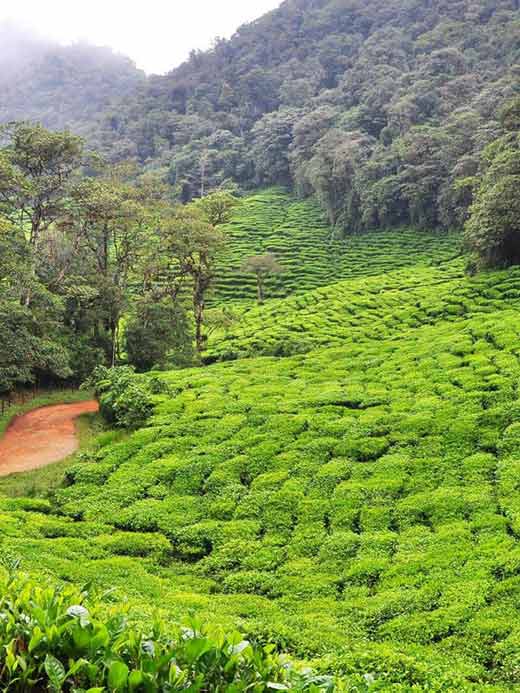
Coffee beans that are poorly grown on substandard land will never produce a high-quality coffee. If they are not washed thoroughly after harvesting, the coffee will have an earthy taste. Van Hove Coffees offers a wide selection of specialty coffees imported from around the world and selected with the utmost care.
The freshness of the beans
Roasted beans must be fresh... but not too fresh. Roasting produces CO2. If used directly in an automatic coffee machine, the coffee will have a metallic, gassy taste. You have to wait for the carbon dioxide to dissipate naturally, allowing the aromas to develop their full potential. The degassing process takes a good week. After roasting, coffee retains its qualities for several months if stored correctly (ideally in an opaque, sealed bag).
Roasting
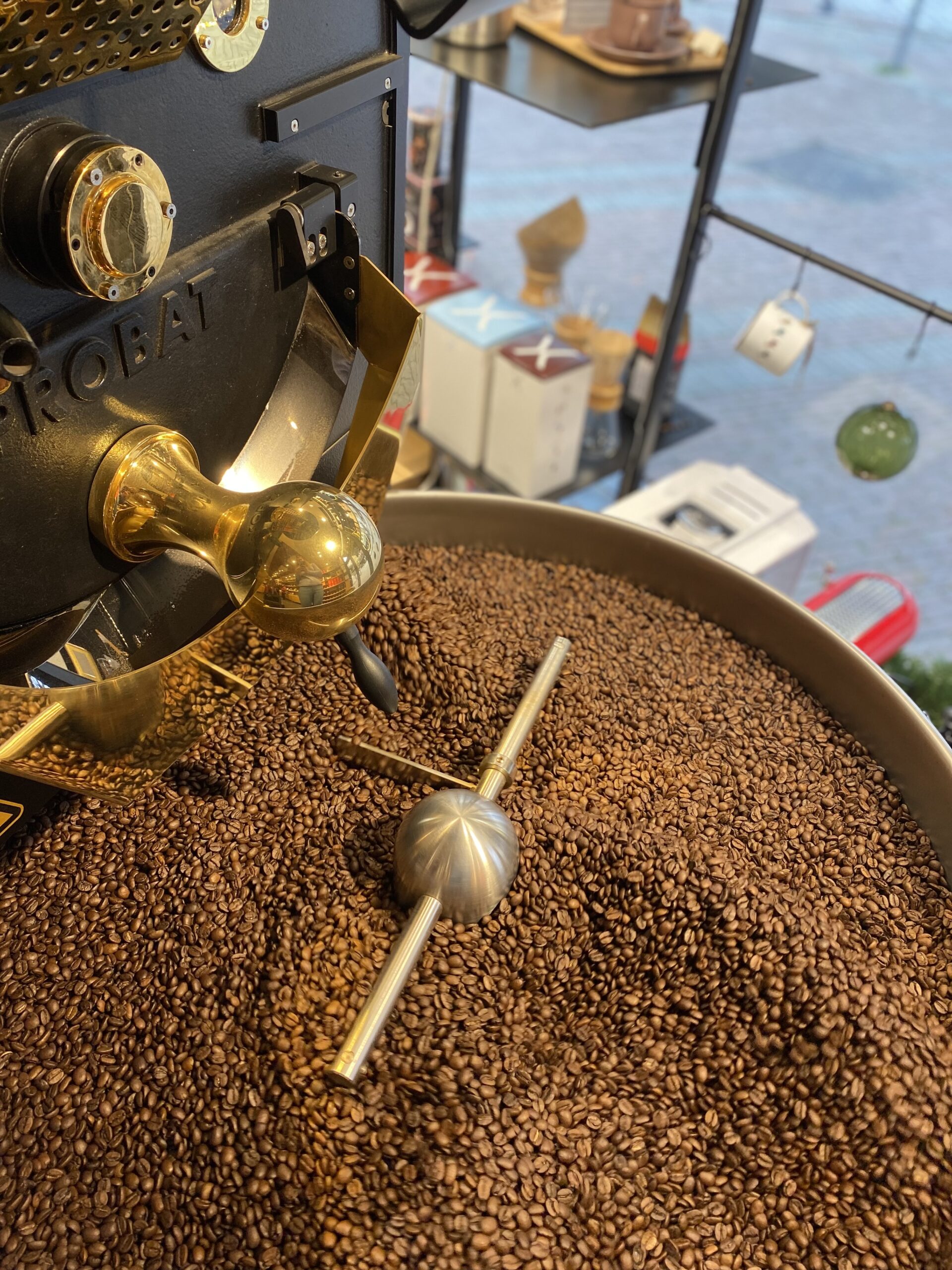
Roasting (cooking green beans at high temperatures) is a key process in obtaining good coffee. If the beans are under-roasted, the coffee will be flat, bland, and acidic. If they are over-roasted, the natural aromas will be masked, and the coffee will be bitter and taste like charcoal. Roasting is an art that must be learned and mastered. This particular skill is in the DNA of Van Hove Coffees! It is advisable to choose a coffee that has been roasted using traditional methods, at a uniform and controlled temperature from start to finish.
Industrial roasters roast large quantities of green beans in a matter of seconds at very high temperatures. This is known as "flash roasting," a method that is strongly discouraged because it does not roast the beans thoroughly (the outside is burnt, while the inside remains raw) and does not produce high-quality coffee.
Storing whole beans and ground coffee
There are a few key rules for storing coffee properly so that it retains all its qualities over time. For example: avoid exposure to air, moisture, light, and temperature fluctuations; use the original packaging or an airtight, opaque container; store coffee in a cool, dry, well-ventilated place; do not mix new coffee with older beans; do not exceed the Best Before Date (BBD, the date after which the coffee will still be consumable—because it is not a perishable product—but will have lost some of its qualities).
Water
A cup of coffee is 98% water. This ingredient is therefore of paramount importance. Poor-quality water gives coffee a metallic taste. Tap water contains calcium and chlorine, which negatively affect the flavor of coffee. If you use tap water, you should run it through a water softener and then let it sit to remove any chlorine odor. Tap water is not the best choice, especially since the calcium that remains after filtering will damage your appliances. If you have an automatic coffee machine, you can use anti-calcium filters. These are very effective and remove lead, copper, aluminum, and chlorine, as well as residues of pesticides, medicines, and microplastics.
Ideally, use bottled mineral water (Spa or Volvic). Avoid distilled water (water from which minerals have been removed): it does not damage appliances, as it no longer contains limescale, but a certain amount of minerals is essential for making good coffee.
It is also important to maintain the right balance between the amount of coffee and the amount of water. If you use too much coffee, it will be too strong. If you don't use enough, the result will be bland and tasteless. For this reason, capsules are not recommended as they often contain too little coffee to produce a cup with a strong flavor.
Water temperature
Ideally, the water temperature should be between 90 and 96 degrees. It should be simmering. Boiling water burns the coffee and releases bitterness. If you heat the water with a kettle, choose a model that allows you to adjust the temperature. If the water is not hot enough, the extraction of aromas will be incomplete.
The cup
We underestimate the impact of the container. We don't enjoy a delicious liqueur or a fine wine served in a soft drink glass. The same goes for coffee: the shape, size, and material of the cup are important for the perception of flavors. An espresso served in a large bowl is a waste. The same goes for a cup filled to the brim. Coffee will also be less enjoyable to drink and will have less flavor if the cup is cold. It is always advisable to preheat it.
Extraction
Extraction (the process by which hot water passes through ground coffee) is a crucial step in preparing a cup of coffee.
Under-extraction occurs when the extraction time is too short and/or the water is too cold: the coffee will then be acidic, weak, and bland. Under-extraction is usually caused by grinding the beans too coarsely.
Over-extraction occurs if the extraction time is too long and/or if the water is too hot: the drink will be bitter, harsh, have a burnt taste, and a long, unpleasant aftertaste. Over-extraction can be caused by grinding the coffee too finely. The water takes longer to pass through the coffee, which can cause a burnt effect.
The grind
The speed at which water passes through coffee depends on the grind. Once ground, coffee can lose its aroma in a matter of minutes. It oxidizes very quickly when exposed to air. And oxidized coffee is not good coffee; it develops unpleasant odors. It is therefore strongly recommended that you grind the beans at the last minute, just before the extraction process. Also, be careful not to grind too finely, as this causes bitterness. If you grind the beans yourself, use a high-quality grinder.
Machine maintenance
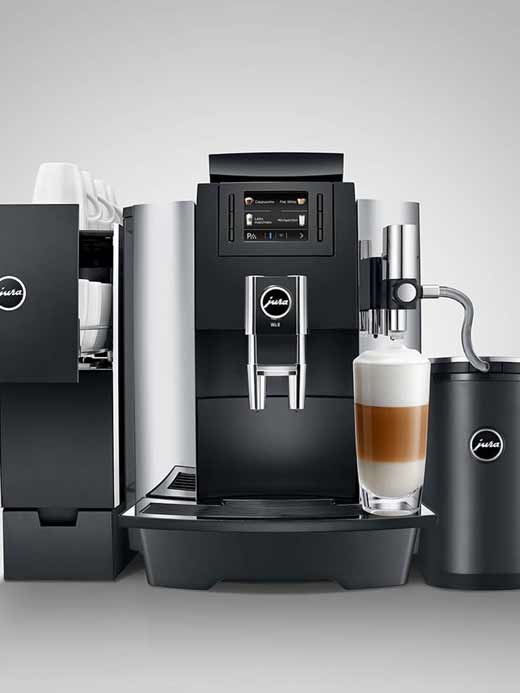
Regular maintenance of appliances (kettles, coffee makers, automatic machines, etc.) is essential to prevent unwanted flavors, particularly metallic ones. For example, there should be no coffee oil or limescale residue in the internal components and pipes. These deposits alter the taste of the coffee. Useful reminder for descaling: only use products specifically designed for this purpose, never vinegar, which can seriously damage appliances.
The same care should be applied to the milk system, if your automatic machine has one. Coffee oil also accumulates on the grinder burrs and gives the grind a rancid taste.
It is not enough to own a high-end machine; it is essential to pamper it at regular intervals.
Article written by Pierre Danvoye for Cafés Van Hove
